
Before I Continue: On Grief
The Interruption Issue

I’m supposed to be working on my next issue of the “Summer with Charlotte” series that I’ve been slogging through this summer these past few months but after wrestling through fits and starts in my head I realize the answer is, as usual, simple and honest, if not immediately obvious.
I can’t.
Not, I can’t ever. I just can’t yet because something has happened and writing anything before you, dear reader, know about it feels incredibly dishonest, so I won’t. My brother died. Unexpectedly. Tragically. And everything feels all wrong.
In a way it changed nothing; we lived nearly ten hours away from each other for the better part of the past sixteen years. He never stopped in without warning. We didn’t get together for Sunday dinners or meet for coffee. He wasn’t, practically speaking, a part of my day-to-day.
And yet, it changed everything. Here I am on my laptop in a coffee shop while he no longer walks this earth. No more visits. No more birthday phone calls. No more FaceTime or texts on the holidays. He is absent from this life and I’m not ready to go on with mine in the same way yet.
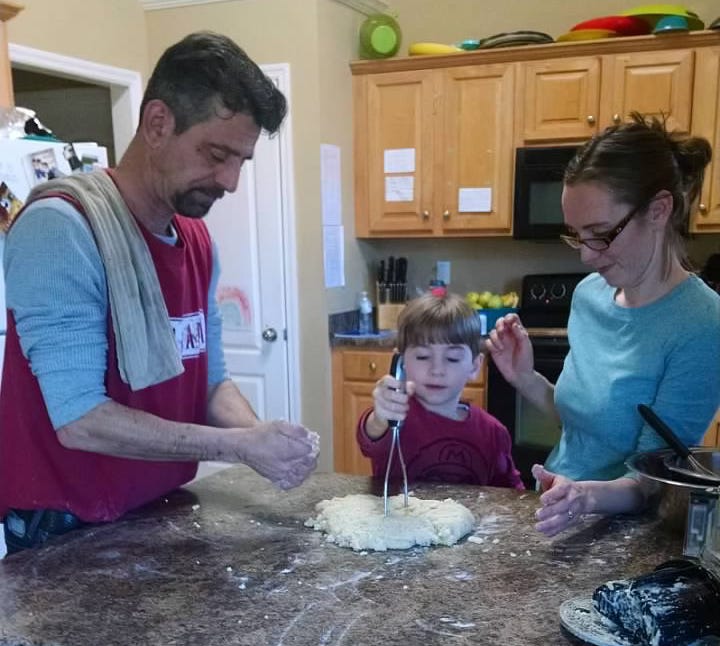
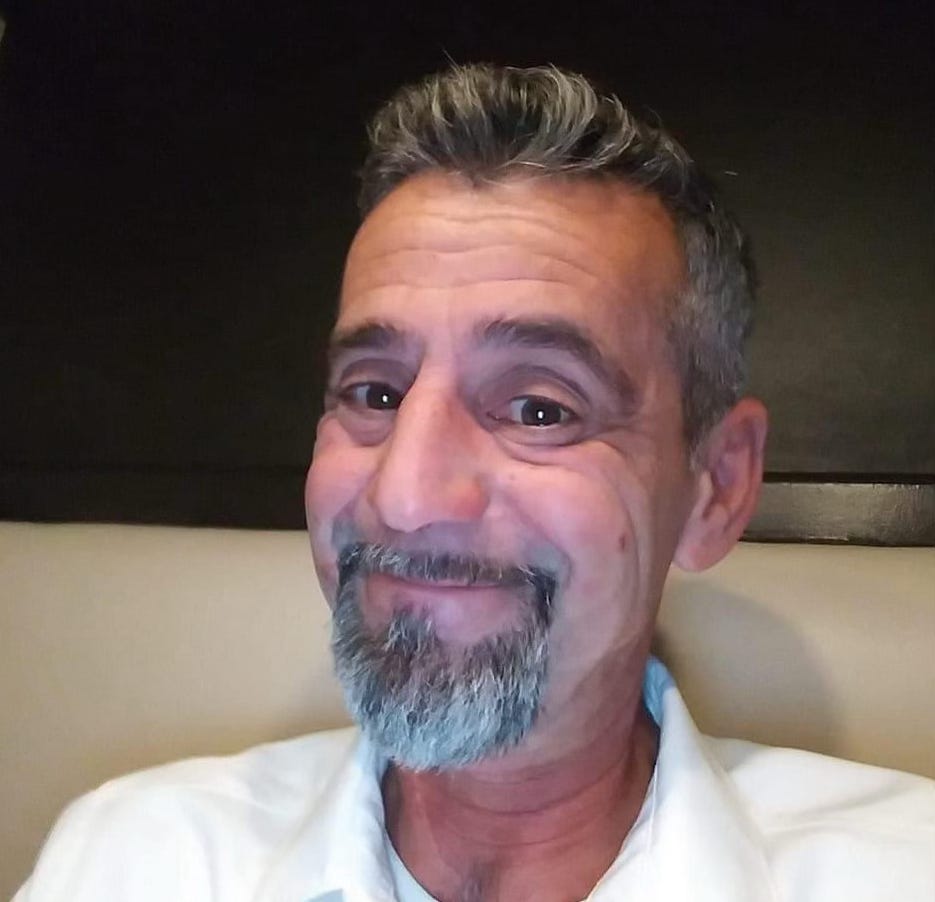
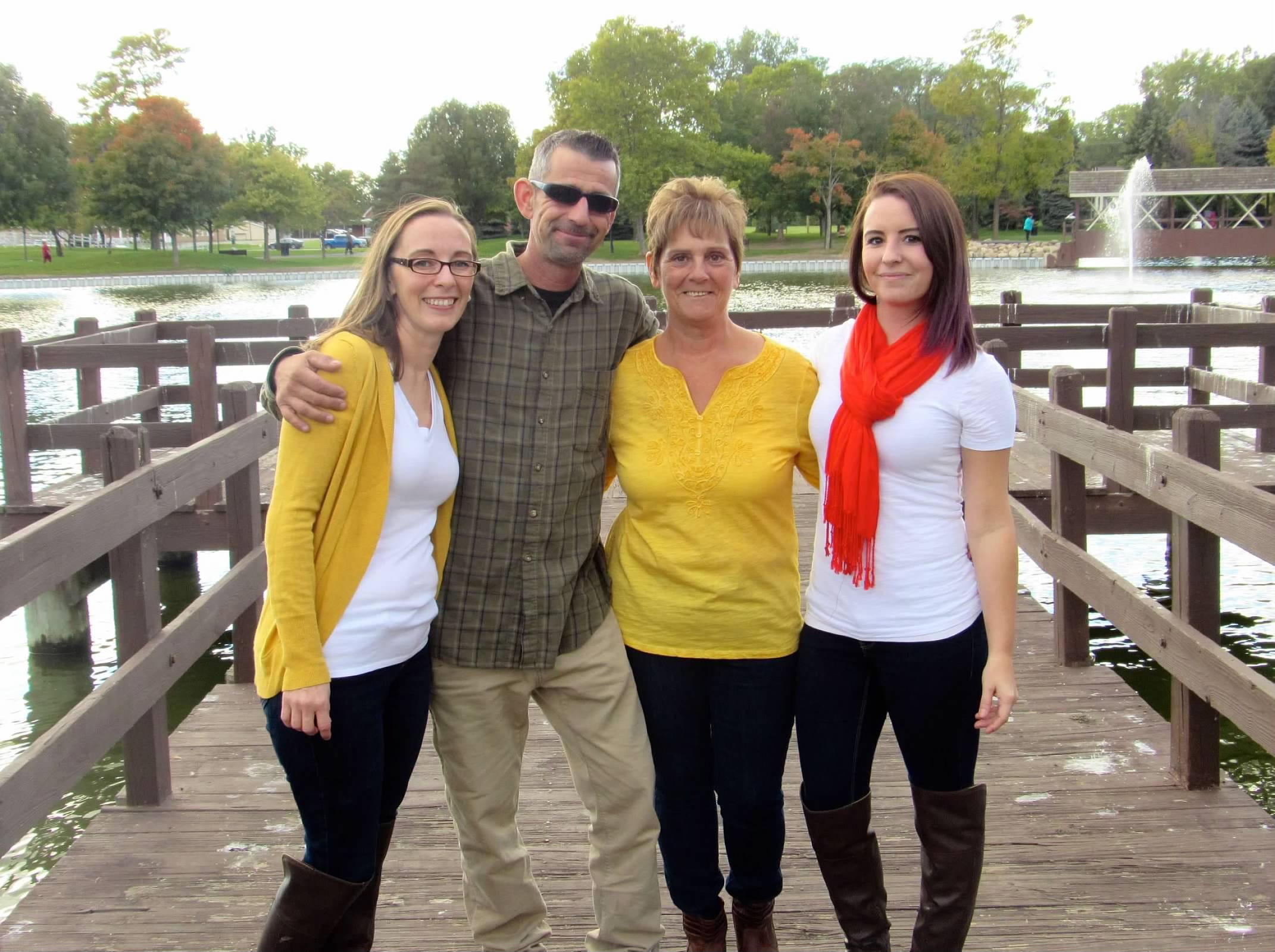
When I think back over my memories with Steve, it’s a blur of old country music, late nights in his basement, and cooking together. He was larger than life with a heart of gold, generous, hard working, and hard living. He was twelve years older than me so in many ways we didn’t grow up together but he was my big brother - my protector, my helper, my friend - and I am broken-hearted.
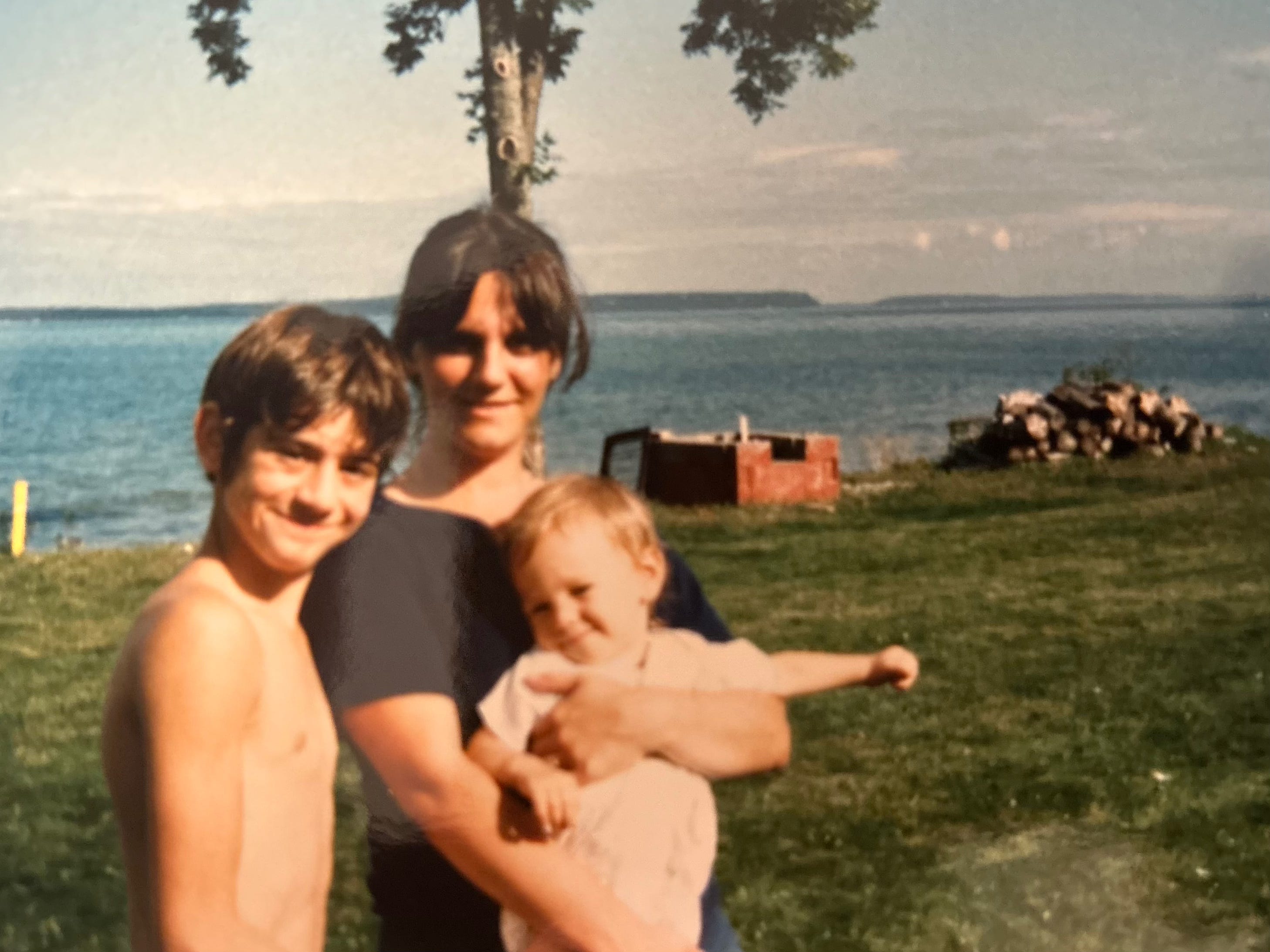
I can still see him cutting down a mulberry tree in my backyard for me, dancing with his girlfriend in his overconfident way, and building a sandbox for my kids. I see him at my table, staying up late helping me make decorations for my kids’ birthday party. I see him walking our sister down the aisle after our dad passed away, manning the grill at every family party, and coming to visit me no matter where I happened to live. I see him moving my furniture from one college apartment to another, down to Alabama and back to Michigan until finally he helped us pack up one last time and threatened that it better be the last.
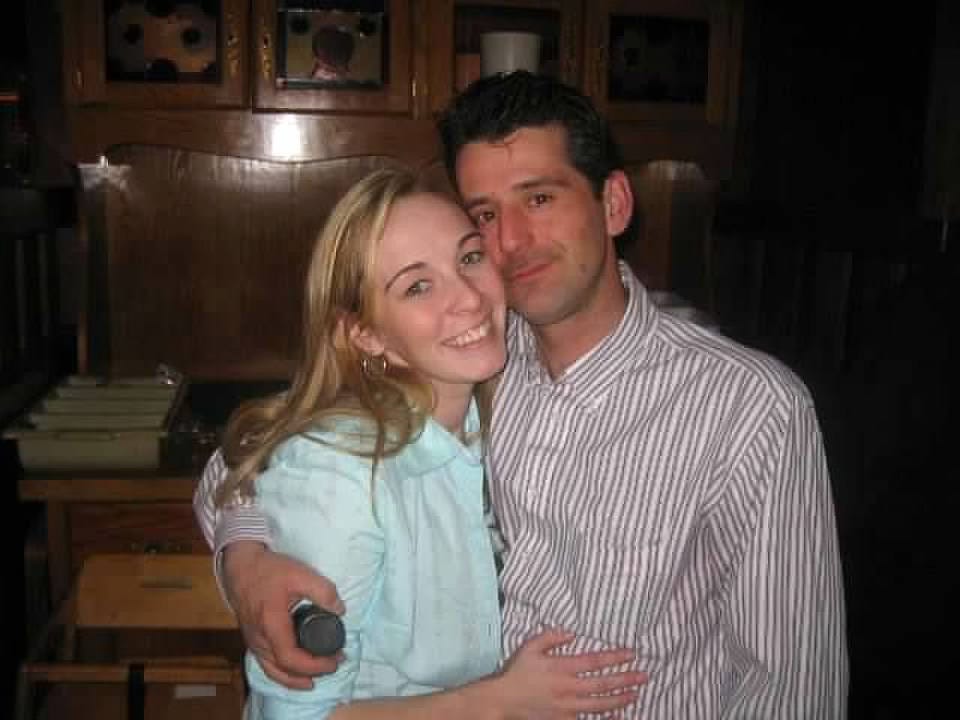
He was great at sketching, loved history, and was a tireless provider. He bought me lunch and showed up with my mom to rescue me when I got in my first car accident. He had heart-to-hearts with my husband that changed the course of our lives. When that course led us to a military life and eventually a call to war, Steve drove through the night from Michigan to North Carolina after working a full shift as a UPS driver so he could see Lee off before he left for Iraq.
I can see us playing tennis and baseball in front of the house we grew up in, swimming in our pool, him making me and my friends laugh, and always, always making pancakes on Christmas morning. He is everywhere, yet he is not here.
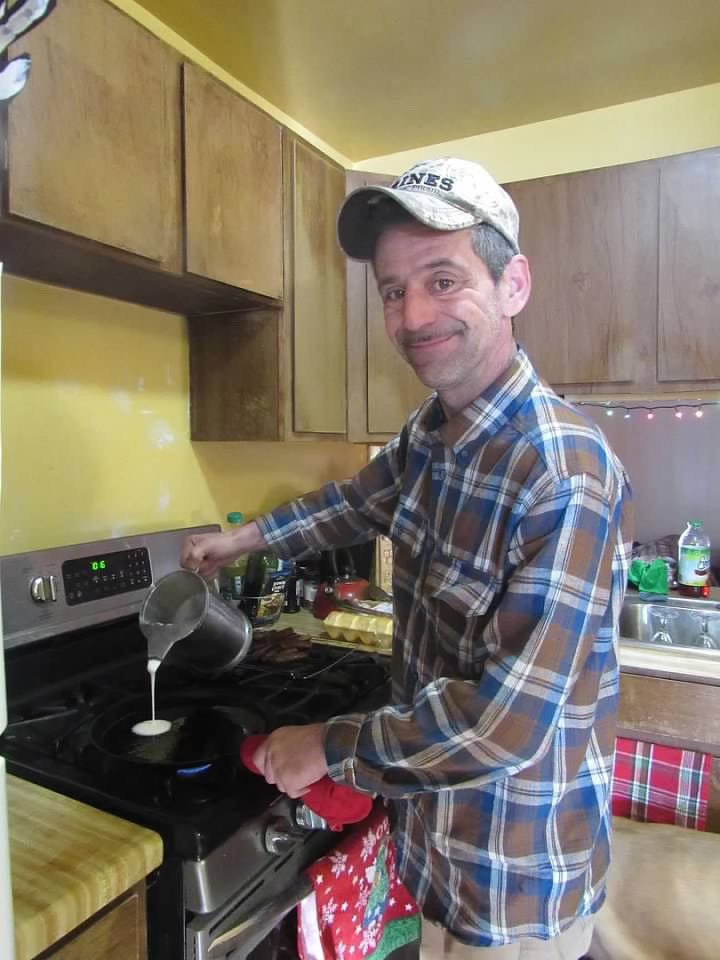
These memories like him are…unmanageable. They come and go uninvited, popping up unannounced at the most conspicuous times. His smiling eyes, his foul mouth, his tender heart. His Marine Corps mug full of steaming coffee, a dirty Alabama Crimson Tide hat, and his Bruce Lee movie collection. These memories are wild and unruly and chaotically beautiful. He was devoted, passionate, often reckless, and anything but one-dimensional. But he was ours and we loved him. And I know my family and I must never doubt that he loved us - devotedly, passionately, and recklessly.
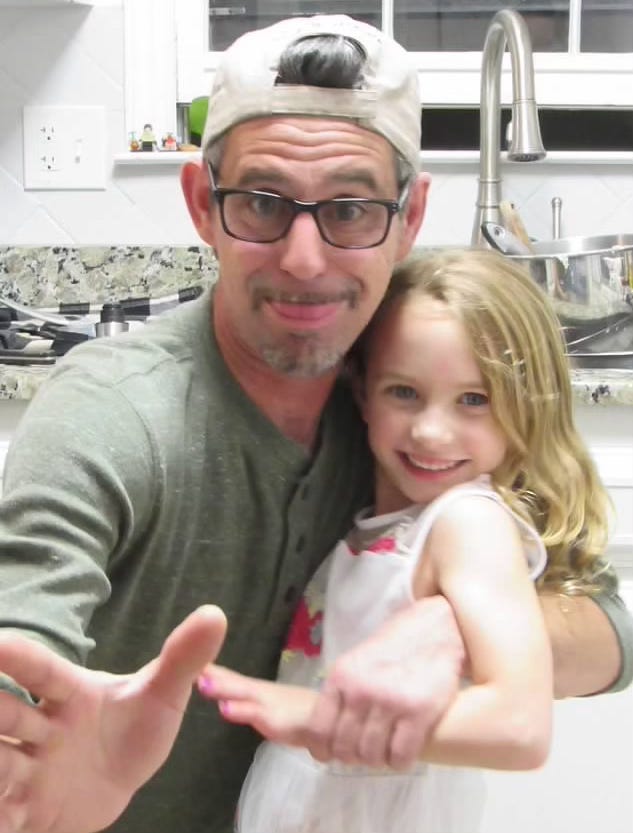
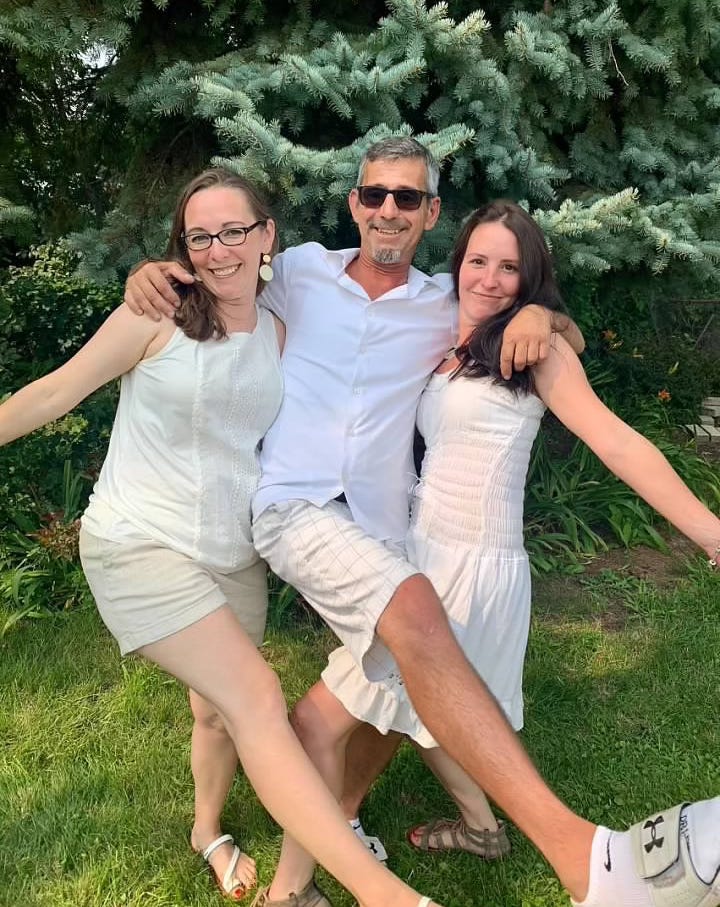
At his memorial, there were picture boards on the tables meant to help us celebrate my brother’s life. Pictures of smiling children, of friends and family and times long gone, but somehow still so fresh in my mind. Photographs and memories — right at the surface were glued to a board for people to muse over, and say things like, “he was so happy” or “remember that time?” and “I just can’t believe he’s gone…” and just like that, my brother’s life was distilled down to a handful of stories, pictures, military papers and accessories, trinkets and random objects that only mean anything because of the one who used to hold them. It will be the same for us all.
But when we leave this world behind, photographs and memories are not all that remains; we also leave behind our legacy; How did we live? For whom did we live? What did we do with the time given to us? What mattered most? Which stories will people tell? What will live on when we are gone? What is one life, really, with 8 billion people on the planet? And how do our answers impact the way we carry on day to day?
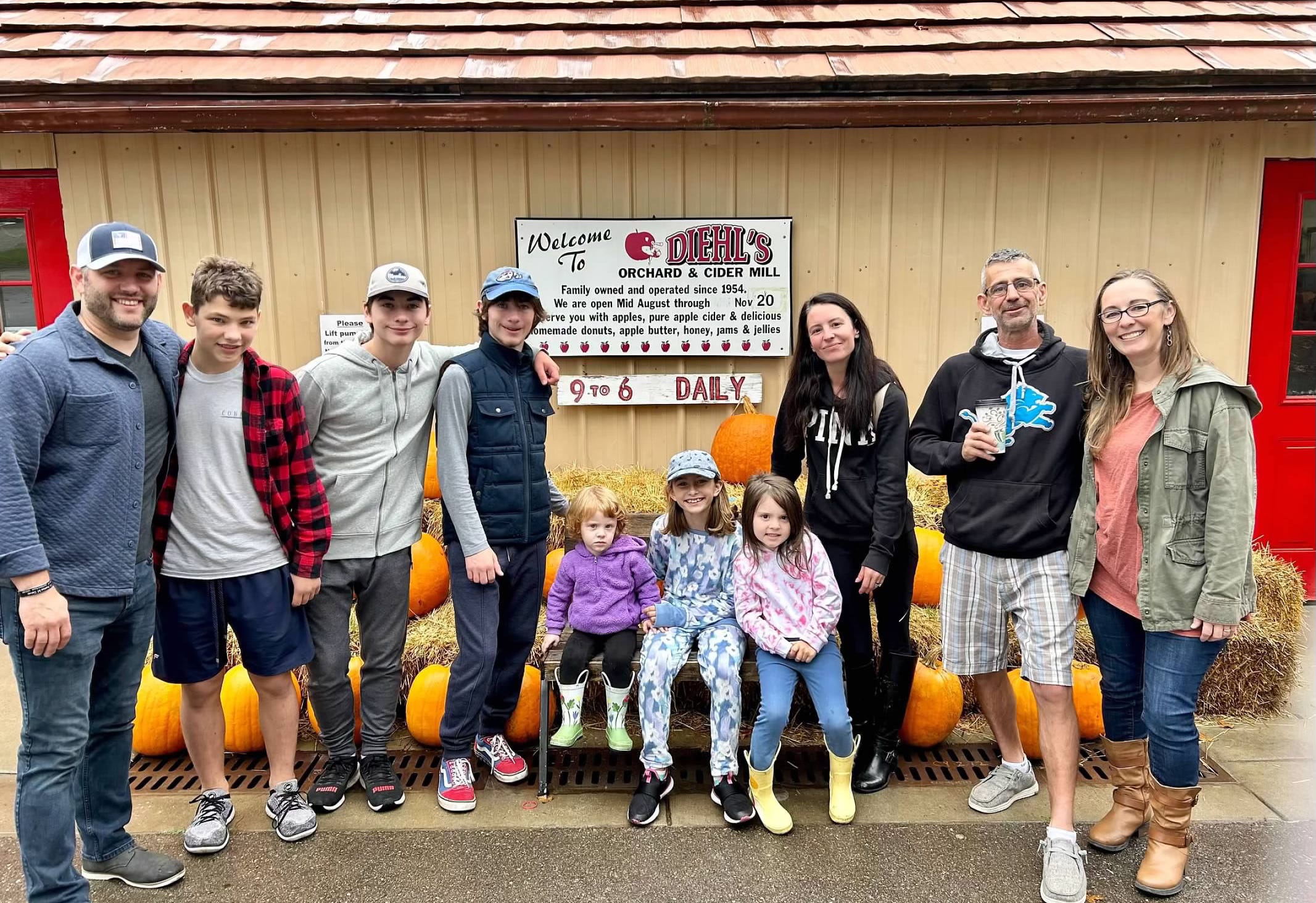
Death has a way of jarring us, very quickly helping us decide what is important and what is not, provoking us with questions we rarely consider until we’re forced to. What a complex yet enduring legacy of love my brother left behind. His memorial was standing room only — I’m not the only one who is grieving.
But grieving is a strange thing, isn’t it? In olden days there was a protocol; people wore black and you knew. There was a wake, a burial…things took time. During the Gilded age mourning occurred in three stages and women were expected to mourn a sibling for six months. Six months. Nowadays we wear black to a funeral (if there is one, that is - or a memorial - or the newest trend to stifle the sadness altogether and just celebrate their life in which I never know what to wear) and then it’s back to work. While I am in full support of remembering and celebrating the life of a deceased loved one, the funeral is for the grieving. I hate to disagree with Langston Hughes but Death is for the living. Death is experienced by the living.
I had no intention of sliding a Charlotte Mason quote in here but the idea of a fast moving culture obsessed with progress comes to mind and points me to her words:
Is there not some confusion of ideas about this fetish of progress? Do we not confound progress with movement, action, assuming that where these are there is necessarily advance? Whereas much of our activity is like the waves of the sea, going always and arriving never. What we desire is the still progress of growth that comes of root striking downwards and fruit urging upwards.
- Vol. 6, p. 297
Of course she’s referring to education but the idea can be applied to grief - are we not rushing forward for the sake of movement when what we desire is process to which the fruit is healing?
Our society insists on rushing through processes but there is nothing efficient about death. It is inconvenient. It costs time. It costs money. It’s incredibly disruptive.
With no protocols and only vague and quickly changing expectations, I feel a little lost about how to grieve. Is it okay to teach math yet? Is it okay to go out in public one day and then not feel like it for the next three? Will I get out of sweatpants and put make-up on this week? The lack of social protocol while frustrating is at the same time freeing — it doesn’t matter. Grief is highly individual.
This I know: it’s okay to be sad. Jesus wept, remember? Our Constant Example wept when his friend died and He comforted the ones who were mourning knowing the whole time He would raise Lazarus from the dead. Grief comes in uneven waves, hitting at the most inconvenient times while my eyes stay dry when it seems likely I’d cry. It’s unpredictable. My brother’s death has rippled into every area of our family life, leaving a mess in its wake. But there is no rush.
For weeks I’ve responded vaguely to inquiring texts with phrases like, “we’re making it” or “slogging through” or “hanging in there.” I am just in the early stages of replying cautiously with words like, “good” and “alright,” adding a smiley face for reassurance to the sender. If you have lost someone dear to you, then you know the zombie-like fashion my family has been walking around in for the past few weeks.
Yet I know that part of grieving is moving on. It’s moving forward, slowly and carefully into a new future quite aware of all the opportunity grief has to catch me unawares and stop me in my tracks. A song at a wedding. The smell of a favorite food. A well-worn phrase. Without warning I’m standing stupefied in tears and my consciousness remembers all over again…he’s gone. But I am not. My life is not. My family, friends, and responsibilities stand waiting and I must move forward.
I find myself resorting to comfort in words. I am a poet at heart and spent my childhood years writing gobs of bad poems (and even a few good ones) so when I come to this tender place of grief, the most natural thing for me to do is curl up in a ball and write. I have written pages and pages of freehand so I won’t feel compelled to edit the raw sentences.
I have found comfort in music. I listen to songs we used to listen to together. I listen to old, reassuring hymns. I listen to instrumental to drown out the silence and create an atmosphere in my home, to help change my mood whether I feel like it or not.
I’ve found comfort in books - the Good One and the great ones. While music tells us how to feel, books provide a feast of ideas to think upon. True, noble, right, pure, lovely, admirable, excellent and praise-worthy thoughts have kept me a float. They have kept my mind from wandering elsewhere.
I’ve found comfort in community. Knowing when to plug in and when to opt out has been hit-or-miss but God created community to be a comfort in times of trouble. The Yankee in me struggled with accepting help from others when we first moved south sixteen years ago but I have realized my hesitation was rooted in pride and with open arms did I receive the cards, the prayers, the shared tears, the rides for the kids’ activities, the phone calls that allowed me to gush with abandon, the gift cards, the cash, the flowers, and the food. You can say what you want about the south but when something bad happens, they will keep you fed and loved.
Above all, the rhythms of our life have kept my family and me going. Make my coffee, light a candle, have my quiet time. Read together. Eat together. Pray together. Be together. And when someone is hurting, make them a cup of tea, the way my teenage son did instinctively when we found out. The habits that have become a part of our family culture are so ingrained that they are literally working like an involuntary action right now. They are strong pillars to lean on and as I continue to add one routine after another back into our day I can see a hazy normalcy coming into view.
I hope this has been an encouragement to you if you’ve recently lost a loved one. If not, I hope it’s at least been a suitable explanation for why my next article has been so delayed. We’ll pick up next time with Principles 16-17, 18-19, and then wrap up with 11-15. Yes, I know they’re out of order but that’s how Charlotte laid them out in Volume 6 so we’ll follow her lead and end the series talking all about curriculum.
Substack subscribers, stay tuned for the long-promised paid subscriber bonus content. If you’re a free subscriber, please consider becoming a paid subscriber. Be sure to follow along on my podcast, Homeschooling Outside the Box, and on my Instagram.
If you enjoyed this article, please like, subscribe, and share. It helps get the word out to encourage other moms just like you and I would sure appreciate it :).
{{{HUGS}}}, sweet friend. 💞